
Essential Guide: Green Claims — 5 Steps to Communicate Sustainability Without Greenwashing
Essential Guide: Green Claims
5 key steps to communicate sustainability without greenwashing. Compliance checklist, templates and action plan included.
Download the guideThe EU Green Claims Directive (2024/825) has fundamentally changed the rules of sustainability communication. Brands can no longer rely on vague claims like “eco-friendly” or “sustainable” — every claim must be backed by verified, third-party data.
This guide gives you a clear, actionable roadmap to communicate sustainability with confidence, avoid greenwashing penalties, and build genuine consumer trust.
What’s inside
1. Compliance checklist
A step-by-step checklist to audit your current sustainability claims and identify which ones are at risk under the new directive. Know exactly where you stand before regulators come knocking.
2. Communication roadmap
A structured framework to build credible, verifiable sustainability messaging — from product labeling to campaign copy. Know what to say, how to say it, and what evidence you need to back it up.
3. Brand storytelling templates
5 ready-to-use templates that help you communicate environmental impact with precision and transparency. Stop guessing what’s compliant and start using language that holds up to scrutiny.
4. Verification tools overview
An overview of the tools and standards — ISO 14040/44, Life Cycle Assessment, Environmental Product Declarations (EPDs) — that give your claims legal standing and consumer credibility.
5. Implementation action plan
A 90-day action plan to move from reactive compliance to proactive sustainability leadership. Assign ownership, set timelines, and track progress.
Why this matters now
The directive entered into force on March 26, 2024. Key requirements:
- Third-party verification of all environmental claims is mandatory
- Clear labeling of product environmental footprints
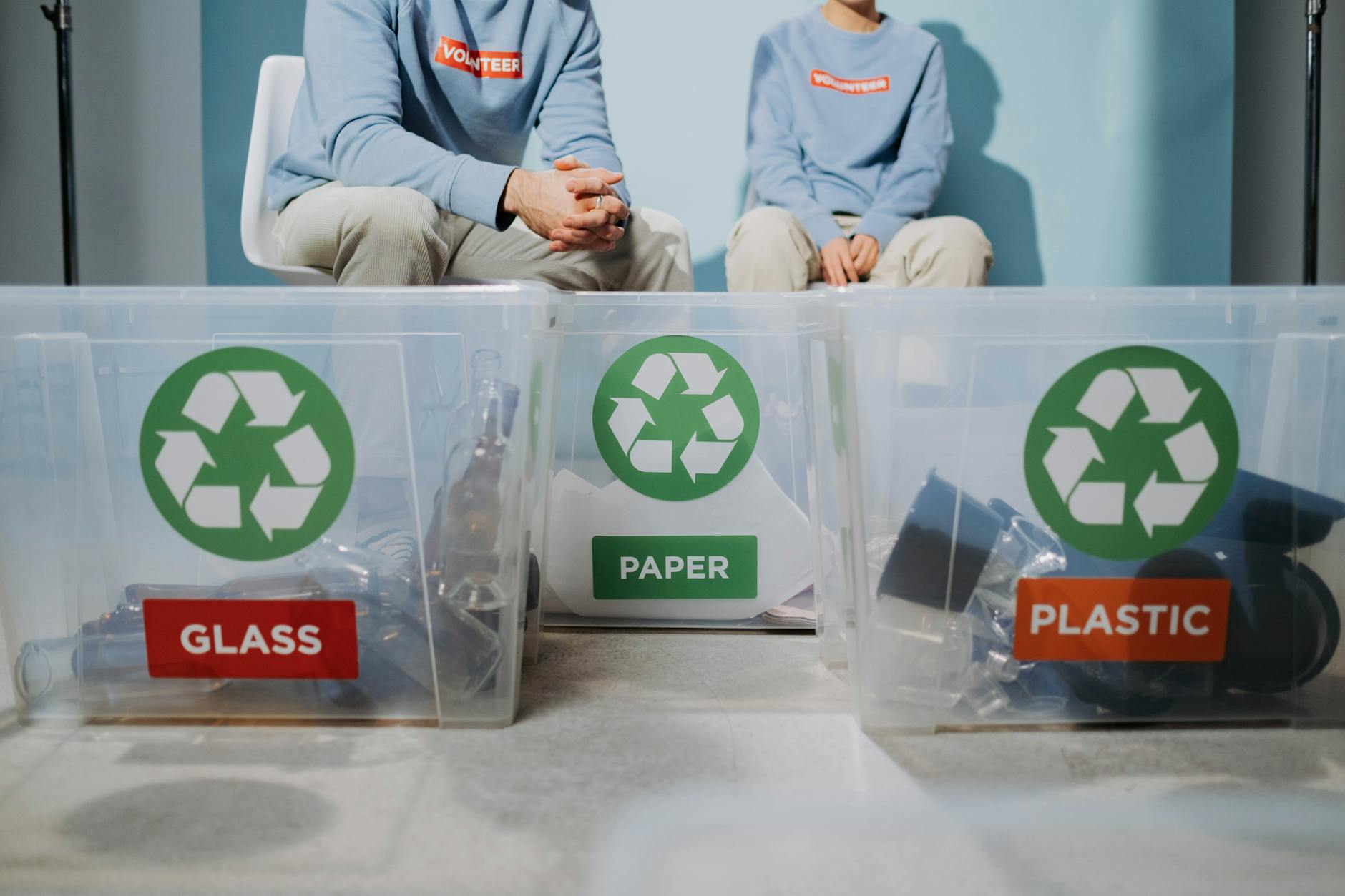
- Stricter controls on recyclability claims
- Removal of self-created sustainability claims without scientific basis
Non-compliance penalties can reach 4% of annual turnover.
The benefits of getting it right
- Avoid fines and reputational damage from greenwashing accusations
- Build consumer trust — 70% of shoppers research brands’ environmental practices before buying
- Gain competitive advantage — verified claims outperform unverified ones by 20% in conversion
- Future-proof your brand as regulators expand scope across all product categories
- Support ESG-aligned investor due diligence
How Devera helps
Devera automates the Life Cycle Assessment process, giving you traceable, ISO 14040/44-compliant carbon footprint data for every product. Every emission factor is documented and auditable — exactly what the Green Claims Directive requires.