
Is It Really Worthy to Measure Product Carbon Footprint Performing LCA?
AI-generated article. Figures and regulatory references link to primary sources.
Is it really worthy to measure product carbon footprint performing LCA?
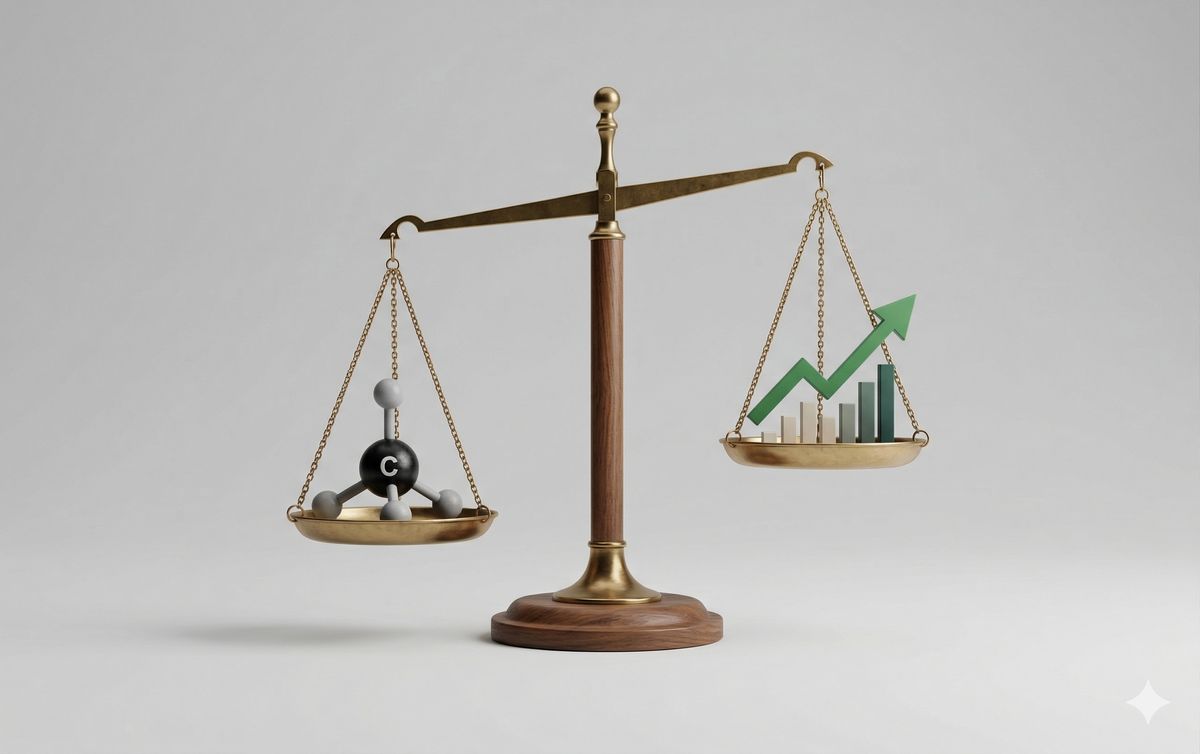
Explore the advantages of Life Cycle Assessment (LCA) over Product Carbon Footprint (PCF) for sustainable business practices and decision-making.
Key takeaways
- Life Cycle Assessment (LCA) helps businesses measure environmental impacts across a product’s entire lifecycle - from raw materials to disposal.
- Product Carbon Footprint (PCF) focuses on carbon emissions, offering a simpler, faster way to address climate-related goals.
- LCA provides deeper insights, helping identify “hotspots” (e.g., supply chains contributing 80% of impacts) and guiding smarter design choices.
- Consumers care: 60% are willing to pay more for sustainable packaging, and 32% trust brands with transparent supply chains.
- Costs can be high (€5,000–€100,000+), but tools like Devera automate the process, making it faster and affordable for small businesses.
- Real-world results: MUD Jeans cut CO₂ by 66% and water use by 80% using LCA insights.
Quick Comparison: LCA vs. PCF
| Aspect | Life Cycle Assessment (LCA) | Product Carbon Footprint (PCF) |
|---|---|---|
| Scope | Broad (multiple environmental factors) | Narrow (carbon emissions only) |
| Time Investment | More time-intensive | Faster execution |
| Standards | ISO 14040, 14044 | ISO 14067 |
| Applications | Supply chain optimization, compliance | Carbon labeling, emissions cuts |
| Expertise Needed | Higher | Lower |
Both methods have their place: PCF is ideal for quick wins, while LCA is better for comprehensive sustainability strategies. Start small, focus on high-impact areas, and leverage automated tools to simplify the process.
Life Cycle Assessment: core functions
Understanding the main functions of Life Cycle Assessment (LCA) helps determine its value as an investment. LCA systematically evaluates and minimizes environmental impact, aligning with the expectations of 81% of consumers who prioritize corporate sustainability.
LCA Step-by-Step Process
The ISO 14040 and 14044 standards outline four key phases for conducting a thorough LCA:
| Phase | Key Activities | Role in Decision Making |
|---|---|---|
| Goal and Scope Definition | Define boundaries and functional units | Pinpoints which production aspects to analyze |
| Life Cycle Inventory Analysis | Gather data on materials, energy, and emissions | Provides measurable metrics for improvement |
| Impact Assessment | Assess environmental effects and carbon equivalents | Highlights areas for reduction efforts |
| Results Interpretation | Evaluate findings and create action plans | Informs strategic sustainability initiatives |
For example, during the inventory analysis phase, companies track raw materials, energy consumption, emissions, and waste. These steps demonstrate how LCA provides actionable insights into environmental performance.
Benefits of LCA Method Comparison Table
Here’s a quick breakdown of the main differences between PCF and LCA:
| Aspect | Product Carbon Footprint (PCF) | Life Cycle Assessment (LCA) |
|---|---|---|
| Primary Focus | Carbon emissions only | Multiple environmental impacts |
| Time Investment | Faster execution | More time-intensive |
| Standard Compliance | ISO 14067 | ISO 14040 and ISO 14044 |
| Typical Applications | Carbon labeling, emissions reduction | Regulatory compliance, supply chain optimization |
| Resource Requirements | Lower expertise needed | Higher expertise required |
| Analysis Depth | Single impact metric | Comprehensive environmental assessment |
PCF is a quicker and simpler tool for targeting carbon emissions, making it ideal for businesses with specific climate goals. LCA, however, provides a more detailed and holistic view, helping organizations avoid shifting problems from one environmental area to another. This makes LCA particularly valuable for crafting well-rounded sustainability strategies.
Making the decision
Key Factors to Consider
Before diving into Life Cycle Assessment (LCA), take a close look at these important factors:
| Decision Factor | What to Think About |
|---|---|
| Data Availability | Do you have access to reliable primary data? How good is the existing data quality? |
| Resource Investment | Can your budget cover tools, expertise, and the time needed for implementation? |
| Business Goals | Does LCA align with your sustainability targets and any regulatory requirements? |
| Product Complexity | How many components and how deep is your supply chain? |
| Market Demands | Are customers or competitors driving the need for LCA adoption? |
These factors highlight the core elements to evaluate when considering LCA. It’s worth noting that up to 90% of a consumer product company’s environmental impact comes from the production and sale of its products.
Practical recommendations
Once you’ve evaluated the factors above, here are some actionable steps to get started:
- Start small: Begin with a pilot project focused on your most critical product line.
- Focus on high-impact areas: Prioritize “hotspots” where improvements can make the biggest difference.
- Use the right tools: Look into automated solutions like Devera, which can simplify the process while ensuring compliance with ISO standards.
Tailor your LCA approach to your company’s unique needs. For example, Dow Chemical’s 10-year S-ROI plan is projected to save the company $1 billion.
The future of LCA
LCA is evolving quickly, driven by new technologies and stricter regulations.
“By using LCA correctly and adhering to international standards, LCA can be one of the most important tools for sustainability managers to consider when setting out the sustainability strategy for your company.”
LCA doesn’t just offer surface-level insights. It dives deep into every stage of a product’s life cycle, from raw material extraction to disposal, showing businesses where they can make impactful changes.
Informed decisions are the foundation of successful LCA implementation. By understanding the full life cycle of your products, you can uncover opportunities for meaningful improvements.