
Huella de Carbono: Qué Es y Por Qué Importa
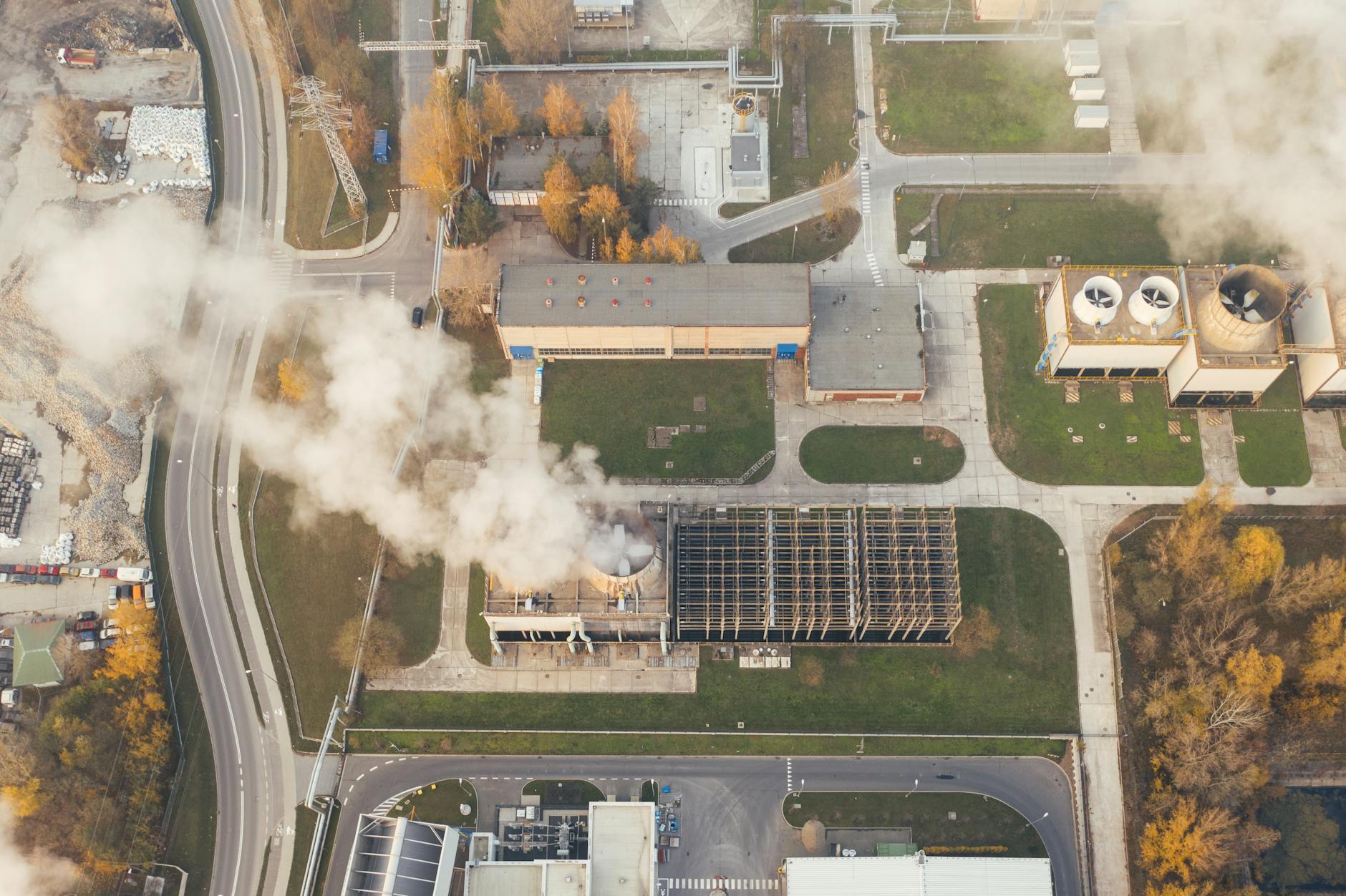
Photo by [Ann H](https://www.pexels.com/photo/what-made-of-wooden-letters-20875710/) on Pexels
Artículo generado con IA. Las cifras y referencias normativas enlazan a fuentes primarias.
Puntos Clave
- La huella de carbono de un producto abarca las emisiones de todo su ciclo de vida, materias primas, fabricación, transporte, uso y fin de vida, no solo las que salen por la chimenea de una fábrica.
- Las emisiones globales de CO₂ procedentes de combustibles fósiles alcanzarán un récord de 38.100 millones de toneladas en 2025, lo que hace más urgente que nunca actuar a nivel de producto.
- El Análisis de Ciclo de Vida (ACV) según ISO 14040/44 es la metodología reconocida internacionalmente para calcular una huella de carbono creíble y defendible.
- La Directiva europea de Empoderamiento del Consumidor para la Transición Verde (ECGT) prohíbe las declaraciones verdes genéricas a partir de septiembre de 2026, elevando el listón de lo que las marcas deben demostrar.
- Los benchmarks reales muestran una variación significativa entre productos y categorías, saber dónde se sitúa tu producto en ese espectro es el primer paso hacia una reducción real.
Cualquier conversación sobre el cambio climático acaba volviendo a las mismas dos palabras: huella de carbono. Es una expresión que aparece en el packaging, en los informes anuales, en presentaciones de dirección y en documentos regulatorios. Sin embargo, sigue siendo ampliamente malinterpretada, tratada como una señal vaga de buenas intenciones ambientales en lugar de como un número preciso y medible. Esa brecha entre percepción y rigor es exactamente donde las empresas se meten en problemas, y donde comienza el verdadero liderazgo en sostenibilidad.
¿Qué Es Exactamente la Huella de Carbono?
La huella de carbono es la cantidad total de emisiones de gases de efecto invernadero, expresada en kilogramos o toneladas de CO₂ equivalente (CO₂e), causadas directa o indirectamente por un producto, servicio, organización o individuo durante un alcance y período de tiempo definidos. La unidad CO₂e es fundamental porque permite comparar distintos gases (metano, óxido nitroso, gases fluorados) en una escala común usando su potencial de calentamiento global.
A nivel de producto, la huella de carbono abarca generalmente el ciclo de vida completo: extracción de materias primas, fabricación de componentes, ensamblaje, transporte y distribución, uso por parte del consumidor, y disposición final o reciclaje. Esta perspectiva de la cuna a la tumba es lo que distingue un Análisis de Ciclo de Vida (ACV) riguroso de un cálculo parcial y simplificado que solo captura, por ejemplo, las emisiones hasta la puerta de fábrica.
La columna vertebral metodológica para las huellas de carbono de productos es ISO 14040/44, la norma internacional que define cómo debe estructurarse, ejecutarse y comunicarse un estudio de ACV. ISO 14067 amplía esto específicamente a las huellas de carbono de productos (CFP), aportando orientación adicional sobre cuantificación y comunicación.
La Magnitud del Problema
Las cifras de las emisiones globales confieren urgencia a lo que de otro modo podría parecer un simple ejercicio contable. Según el Global Carbon Project, las emisiones globales de carbono procedentes de combustibles fósiles aumentarán un 1,1% en 2025, alcanzando un récord de 38.100 millones de toneladas de CO₂. El presupuesto de carbono restante para limitar el calentamiento global a 1,5°C está prácticamente agotado, al ritmo actual, se consumiría en apenas cuatro años.
Las empresas no son espectadoras pasivas en este panorama. La fabricación, las cadenas de suministro y los bienes de consumo en conjunto representan una parte sustancial de esas emisiones. Reducir la huella de carbono de un producto no es, por tanto, un ejercicio de relaciones públicas; es una contribución directa y trazable a un resultado global.
Cómo Se Estructura la Huella de Carbono de un Producto
Entender de dónde proceden las emisiones dentro de un producto es la clave para reducirlas. El desglose varía significativamente según la categoría, y esa variación es en sí misma muy reveladora.
| Producto | CO₂e Mediana | Fase de mayor impacto | Porcentaje |
|---|---|---|---|
| Portátil | 215,10 kg | Fase de uso | 38,3% |
| Camiseta | 3,01 kg | Fabricación | 60,1% |
| Crema corporal | 2,50 kg | Materias primas | 47,7% |
| Botella de vino (750ml) | 1,89 kg | Materias primas | 52,4% |
Estos benchmarks fueron calculados por Devera mediante ACV con simulación de Monte Carlo siguiendo ISO 14040/44, y las diferencias entre categorías revelan mucho sobre dónde resulta más efectiva la intervención.
Tomemos el portátil: con el 38,3% de su huella vinculada a la fase de uso, mejorar la eficiencia energética durante el funcionamiento del producto importa tanto como abastecerse de componentes más sostenibles. El panorama es muy distinto para una camiseta, donde la fabricación domina con un 60,1% de la huella total, lo que significa que la descarbonización a nivel de proveedor y el uso de energía más limpia en las instalaciones de producción tendrán un impacto mucho mayor que cualquier rediseño del packaging. Para una crema corporal, las materias primas representan casi la mitad de las emisiones totales, lo que apunta al aprovisionamiento de ingredientes y a la formulación como la palanca con mayor potencial. Para una botella de vino de 750ml, las materias primas vuelven a dominar con un 52,4%, siendo la producción del vidrio el factor determinante.
Este tipo de desglose fase por fase solo es posible con un ACV completo. Sin él, los esfuerzos de reducción corren el riesgo de orientarse en la dirección equivocada.
La Presión Regulatoria Hacia la Demostración
La era de hacer declaraciones medioambientales sin respaldo está llegando a su fin, y los plazos son más ajustados de lo que muchas empresas creen.
La Directiva de Empoderamiento del Consumidor para la Transición Verde (ECGT) ya es ley, y prohíbe las declaraciones medioambientales genéricas y las etiquetas de producto “climáticamente neutral” basadas en compensaciones de emisiones a partir de septiembre de 2026. Los tribunales alemanes ya están tumbando el marketing vago sobre neutralidad climática. Aunque la propuesta original de Directiva sobre Green Claims ha quedado en suspenso tras el anuncio de retirada de la Comisión en 2025, la ECGT y las normativas nacionales contra el greenwashing siguen endureciendo considerablemente lo que las empresas pueden declarar, especialmente en materia de clima y carbono.
En cuanto a la información corporativa, la Directiva de Reporte de Sostenibilidad Corporativa (CSRD) de la UE está siendo objeto de importantes enmiendas propuestas, con una iniciativa de “Ómnibus de Simplificación” presentada por la Comisión Europea en febrero de 2025 que propone posponer determinadas fechas de aplicación dos años. Incluso con esos retrasos, la dirección es inequívoca: los datos de sostenibilidad cuantificados y verificados están convirtiéndose en una expectativa de base, no en un diferenciador.
Para las marcas comprometidas con el cumplimiento normativo, la pregunta ya no es si medir, sino cómo medir con credibilidad. Puedes explorar qué significa esto en la práctica en nuestro post sobre cómo evitar el greenwashing y cumplir con las normativas de green claims.
Por Qué ISO 14040/44 Es el Estándar de Referencia
No todos los cálculos de huella de carbono son iguales. Una estimación rápida basada en datos de gasto y factores de emisión genéricos producirá un número, pero no uno defendible. El ACV conforme a ISO 14040/44 es la metodología que reconocen reguladores, organismos de certificación y compradores exigentes, porque impone rigor en cada paso: definición del alcance, recopilación de datos, evaluación del impacto e interpretación.
Las características clave de una huella de carbono creíble basada en ACV incluyen:
- Una unidad funcional claramente definida (por ejemplo, “un envase de 200ml de crema corporal”) para que las comparaciones entre productos sean significativas.
- Documentación del límite del sistema que indique explícitamente qué se incluye y qué se excluye del análisis.
- Recopilación de datos primarios de proveedores y fabricantes siempre que sea posible, con datos secundarios de bases de datos reconocidas (ecoinvent, GaBi, etc.) cuando los datos primarios no estén disponibles.
- Análisis de incertidumbre, frecuentemente ejecutado como simulación de Monte Carlo, para expresar el resultado como un rango en lugar de un número único falsamente preciso.
Este último punto merece especial atención. Los ACV reales producen rangos, no valores únicos. Una crema corporal puede situarse entre 1,78 y 3,85 kg CO₂e dependiendo del aprovisionamiento de ingredientes, la ubicación de fabricación y la elección del packaging. Un portátil puede oscilar entre 157,88 y 286,70 kg CO₂e dentro de la categoría de producto. Esos rangos representan decisiones empresariales reales que las marcas tienen el poder de influenciar.
Si quieres profundizar en los aspectos técnicos, nuestra guía esencial para calcular la huella de carbono de productos recorre la metodología paso a paso.
De la Medición a la Reducción
Medir la huella de carbono es el punto de partida, no el destino. Una vez identificados los puntos críticos, ya sea una materia prima, un proceso de fabricación, una ruta logística o el comportamiento del consumidor, las marcas pueden priorizar las acciones de reducción con la certeza de que están apuntando a los lugares correctos.
Las palancas más habituales incluyen cambiar a proveedores de materias primas con menor huella, rediseñar el packaging para reducir peso o incorporar contenido reciclado (el packaging representa, por ejemplo, el 17,1% de la huella de una crema corporal), optimizar las rutas logísticas y de transporte, y alargar la vida útil del producto para diluir las emisiones de la fase de uso a lo largo de más tiempo.
La reducción siempre debe ser el objetivo principal. Una vez que una marca ha maximizado lo que es técnica y económicamente viable, las emisiones residuales pueden abordarse mediante la eliminación de carbono de alta calidad. Pero cualquier comunicación sobre esa compensación debe ser específica y verificable, las declaraciones de que un producto tiene un impacto ambiental neutro, reducido o positivo basadas en compensaciones de emisiones de gases de efecto invernadero se consideran ahora engañosas e injustas según la legislación de consumo de la UE.
Cómo Comunicar tu Huella de Carbono con Credibilidad
La medición por sí sola no genera valor para tu marca. La forma en que comunicas el resultado determina si clientes y reguladores confían en él. Esto implica ser específico: citar un número (en kg CO₂e), referenciar la metodología (ISO 14040/44) e indicar el alcance (de la cuna a la puerta, o de la cuna a la tumba). Decir que un producto es “bajo en carbono” sin un número que lo respalde es exactamente el tipo de declaración genérica que la ECGT fue diseñada para prohibir.
El etiquetado de carbono es una de las herramientas de más rápido crecimiento para traducir los resultados del ACV en comunicación dirigida al consumidor. Ya sea mediante una etiqueta numérica, una calificación por letras o una comparación con el benchmark de la categoría, las etiquetas ofrecen al consumidor una base de comparación que una declaración narrativa de sostenibilidad simplemente no puede proporcionar.
Preguntas Frecuentes
¿Qué es la huella de carbono de un producto y en qué se diferencia de la huella de carbono corporativa? La huella de carbono de un producto mide las emisiones de gases de efecto invernadero asociadas a un único producto a lo largo de todo su ciclo de vida, desde la extracción de materias primas hasta su disposición final. La huella de carbono corporativa, en cambio, agrega las emisiones de todas las actividades de una empresa (habitualmente organizadas en categorías de Alcance 1, 2 y 3). Ambas son complementarias: una huella de carbono de producto robusta es a menudo el elemento fundamental de una declaración creíble de Alcance 3 corporativo.
¿Cómo se calcula una huella de carbono siguiendo ISO 14040/44? ISO 14040/44 define un proceso de cuatro fases: definición del objetivo y el alcance (estableciendo la unidad funcional y el límite del sistema), análisis de inventario (catalogando todas las entradas y salidas), evaluación del impacto (convirtiendo los datos de inventario en CO₂e mediante factores de caracterización) e interpretación (identificando puntos críticos y extrayendo conclusiones). La norma exige transparencia en cada etapa y recomienda una revisión crítica para los estudios destinados a la comunicación pública.
¿Por qué los resultados de la huella de carbono varían tanto entre productos similares? La variación refleja diferencias reales en las cadenas de suministro, las ubicaciones de fabricación, las matrices energéticas, las elecciones de packaging y la vida útil de los productos. Una camiseta fabricada con algodón convencional en una instalación que funciona con carbón tendrá una huella significativamente mayor que una fabricada con algodón orgánico usando energía renovable. La simulación de Monte Carlo en el ACV cuantifica esta incertidumbre ejecutando miles de escenarios sobre rangos de entrada plausibles, produciendo una distribución de resultados en lugar de una estimación puntual única.
¿Cuándo deben las empresas acreditar sus declaraciones sobre huella de carbono según la legislación de la UE? A partir del 27 de septiembre de 2026, la Directiva de Empoderamiento del Consumidor para la Transición Verde se aplica en todos los Estados miembros de la UE, prohibiendo las declaraciones medioambientales genéricas y las etiquetas de producto “climáticamente neutral” basadas en compensaciones, salvo que estén específicamente acreditadas. Las empresas que realicen cualquier declaración relacionada con el carbono, en el packaging, en publicidad o en Internet, necesitan datos de ciclo de vida que la respalden antes de esa fecha, no después.
Si estás listo para pasar de estimaciones a cifras conformes con ISO, calcula la huella de carbono de tu producto con Devera. Nuestra plataforma de IA ejecuta un ACV completo con simulación de Monte Carlo en minutos, proporcionándote la metodología, el contexto de benchmark y la documentación que necesitas para comunicar con confianza.